
.svg)
March 21, 2026
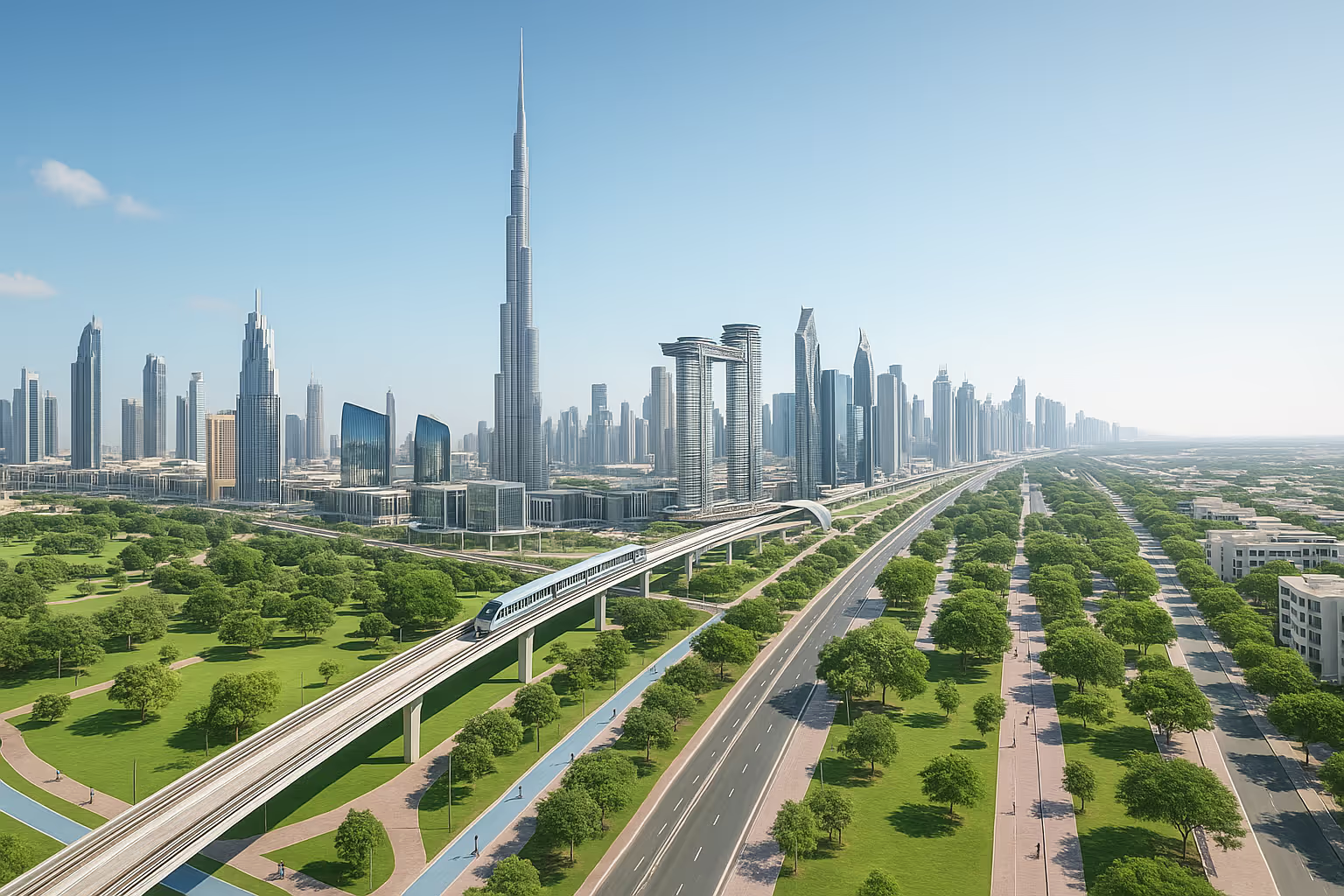
Dubai Urban Master Plan 2040: De koers naar een duurzame en slimme toekomst
Dubai 2040: The Course Towards a Smart and Sustainable World City. The Urban Master Plan 2040 transforms Dubai into a leader in liveability and smart city solutions. With 60% green space, the 20-minute city concept and 5.8 million residents, the plan promises significant real estate opportunities.
 5 Minuten Leestijd
 mr. Priscilla Ramsoedh
Vrijblijvend advies?

Team Dubai-Property.nl
VAE Vastgoed Exerts
Get to know more about us.



March 17, 2026
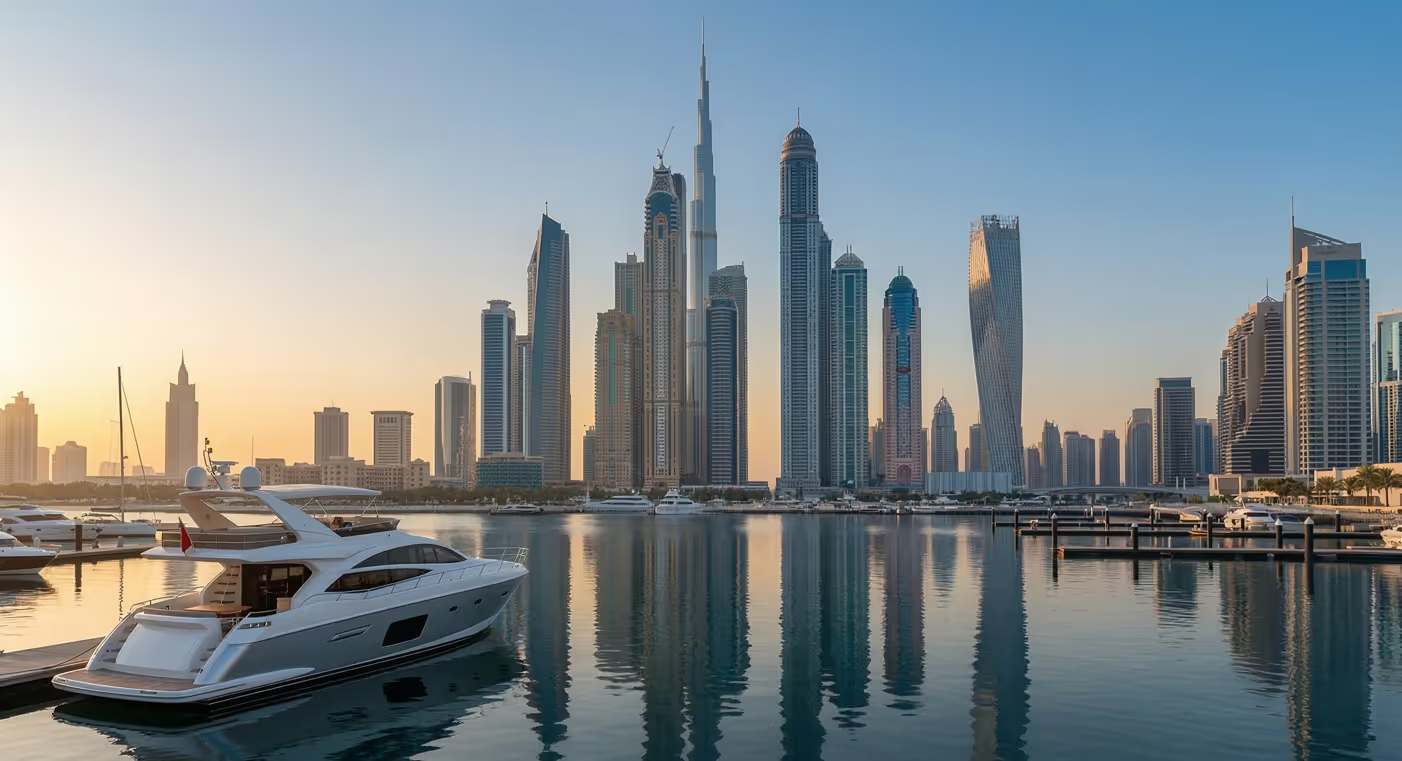
Geopolitieke spanningen en de Dubai vastgoedmarkt: Waarom slimme investeerders nu kansen zien
We understand that the recent news reports about the military tensions between Iran, the US, and Israel in the region (since late February 2026) raise questions. As an investor, you seek certainty, and geopolitical unrest naturally triggers a cautious initial reaction.
Check Details
February 10, 2026
Exclusieve Vastgoedkansen in Dubai 2026
Dubai's real estate market finds itself in a fascinating new phase in 2026. Where the preceding years were characterized by explosive growth, the market has now transformed into a mature, stable ecosystem. With a population that officially surpassed the 4 million mark in early 2026, the fundamental demand for residential property remains undiminished - there is a daily need for approximately 150 to 170 new residential units to accommodate the influx of global talent and capital.
Check Details.avif)
November 23, 2025
Top 5 gebieden in Dubai voor investeringen onder AED 1 miljoen in 2025
The top 5 investment areas under AED 1 million in Dubai. Including entry prices, ROI, and why JVC, DSO, and Dubai South are the smartest choices in 2025.
Check Details.avif)
November 23, 2025
Vastgoedprijzen in Dubai: Een Analyse van de Afgelopen 10 Jaar (2015−2025)
A clear analysis of ten years of real estate prices in Dubai, with insights on market phases, price increases, off-plan trends, and opportunities for investors in 2025.
Check Details.avif)
November 17, 2025
Golden Visa en Crypto-investeringen in Dubai: Waar ligt de grens?
Crypto does not count toward the Golden Visa. Discover the official rules and the investment routes that do qualify in the UAE.
Check Details
November 17, 2025
Vastgoedbelastingen in de VAE uitgelegd
Learn how tax rules, DLD fees and corporate tax work in 2025 and why Dubai real estate offers a fiscal advantage for Dutch investors.
Check Details
October 22, 2025
Top 5 gebieden in Dubai om te investeren voor minder dan AED 1 Miljoen (Gids 2025)
Voor minder dan AED 1 miljoen kunt u nog steeds winstgevend investeren in Dubai. Deze gids onthult de vijf beste gebieden voor hoge rendementen en sterke waardegroei in 2025.
Check Details
October 22, 2025
Stap-voor-stap gids: Zo koopt u als Nederlander een woning in Dubai
Deze analyse onthult waarom Dubai uitgroeit tot dé hotspot voor Nederlandse vastgoedbeleggers. Van belastingvrije winst tot hoge rendementen — ontdek de voordelen van investeren in een van ’s werelds meest dynamische markten.
Check Details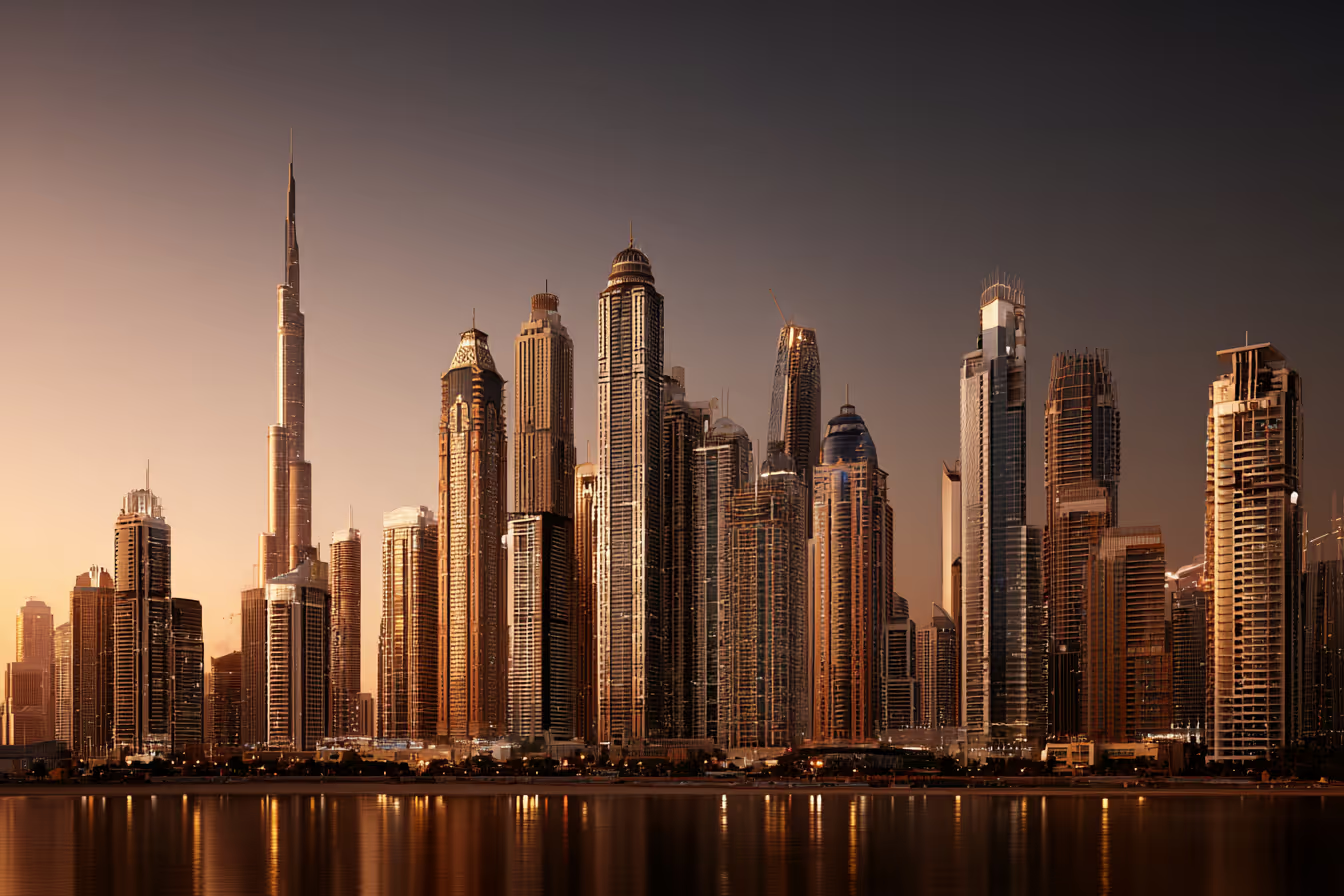
October 22, 2025
Fiscaal slim investeren in Dubai vastgoed
This guide helps Dutch investors understand Dubai's tax landscape. Learn how Box 3 changes, tax treaties, and structuring choices protect and optimize your returns.
Check Details.avif)
October 20, 2025
Waarom investeren in vastgoed in Dubai? Een diepgaande analyse voor de Nederlandse belegger
Discover why Dubai's tax-free property market, high returns, and robust economy offer a golden opportunity for Dutch investors. Dive deep into the tax benefits, growth opportunities, and strategic considerations.
Check Details
October 12, 2025
Dubai: Waarom het de veiligste plek is voor uw vastgoedinvestering en levensstijl
Dubai is the safest place in the world (Numbeo 2025). The combination of zero-tolerance policies, advanced technology and tax advantages makes it the ultimate safe haven for capital and an unparalleled lifestyle.
Check Details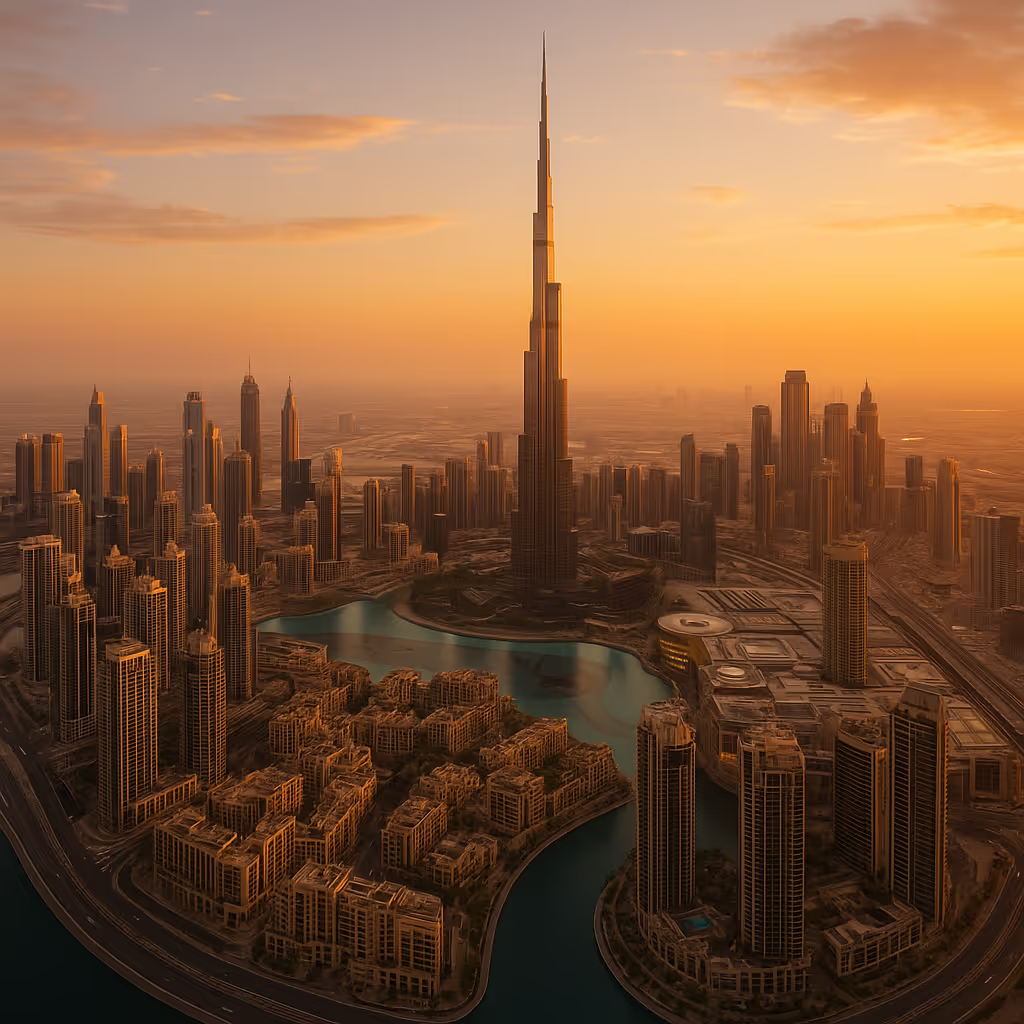
October 8, 2025
Dubai vastgoedmarkt verbreekt records in 2024–2025: wat investeerders moeten weten
Dubai's real estate market continues to grow with record sales, rising prices and attractive returns. Discover why 2025 is the year for investors.
Check DetailsSeptember 21, 2025
De Vastgoedmarkt van Dubai: Een Traject van Veerkrachtige en Duurzame Groei
Dubai's real estate market broke all records in 2024–2025 with strong price increases, high rental yields and exclusive luxury deals. Read the key figures and investment opportunities.
Check Details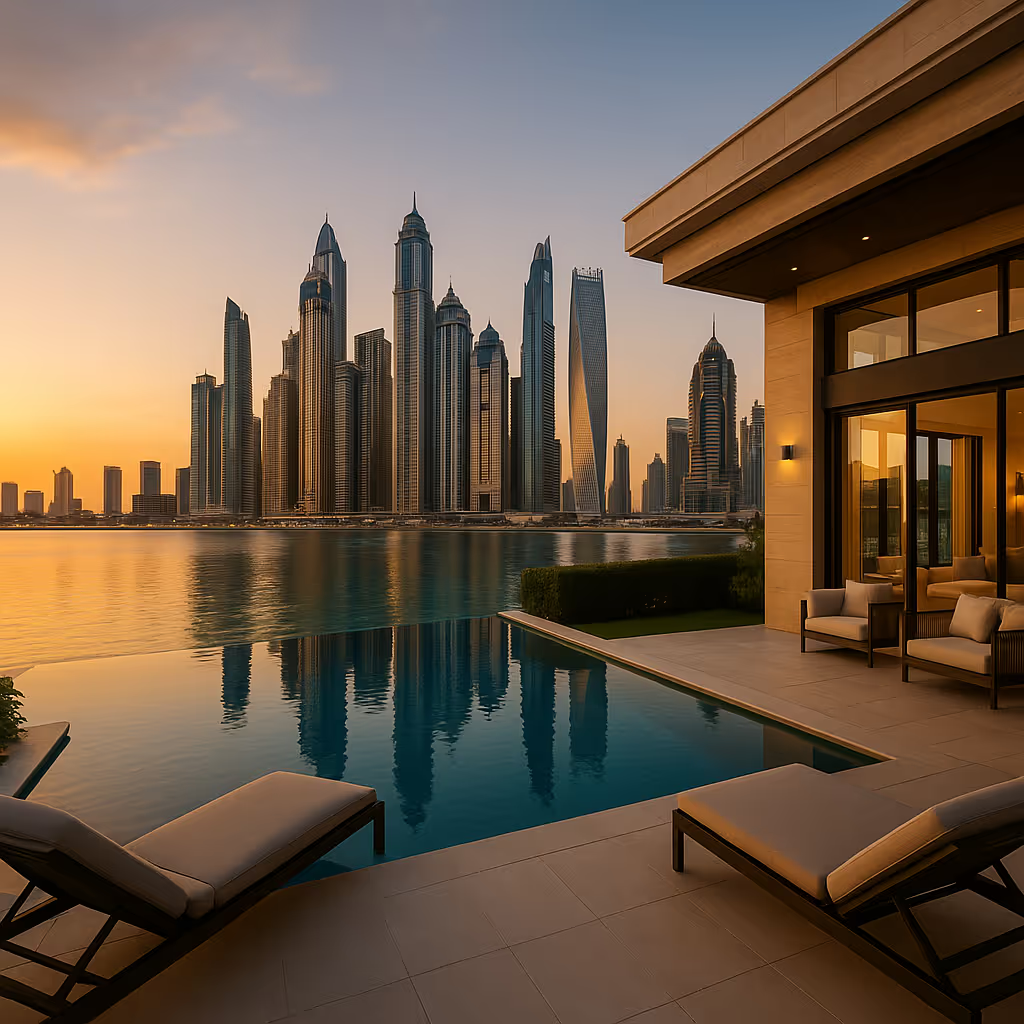
September 21, 2025
De Vastgoedmarkt van Dubai: Een Q2 2025 Triomf en Wat Dit Betekent voor Investeerders
Q2 2025 was the strongest quarter ever for the Dubai real estate market: AED 184.3 billion in deals, rising prices and rental yields up to 8%. Read what this means for investors.
Check Details
September 21, 2025
Brief van de Bank over vastgoed in Dubai: wat betekent dit echt?
Following the Dubai Leaks, the Dutch Tax Authority is investigating Dutch nationals with property in Dubai. But how concerning is this really? Read the facts, the context and why Dubai remains attractive for serious investors.
Check Details
August 8, 2025
De toekomst is verticaal: Dubai's pionierende luchttaxi en wat dit betekent voor vastgoed
Dubai maakt opnieuw geschiedenis met de eerste testvlucht van de Joby Aerial Taxi. Een revolutie voor mobiliteit én vastgoed, beschikbaar vanaf 2026.
Check Details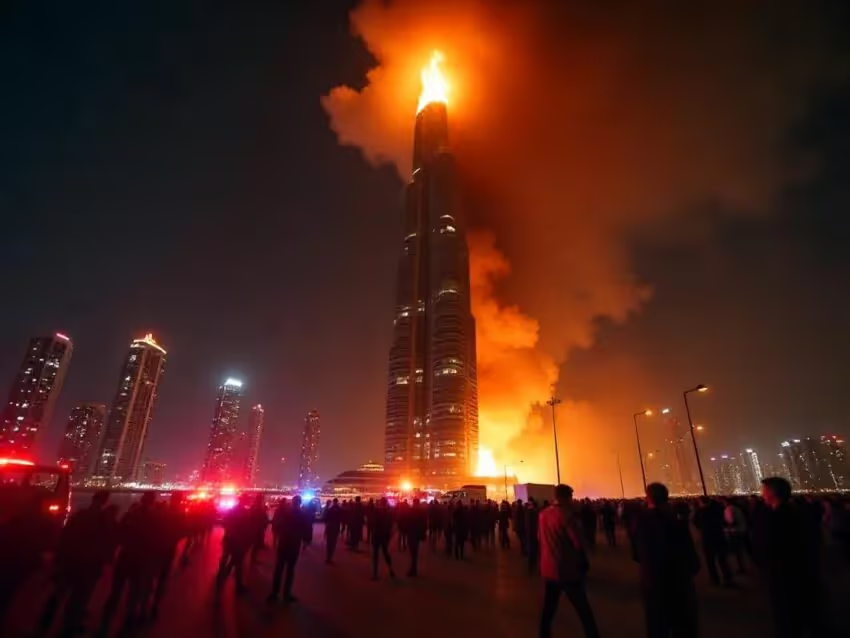
July 16, 2025
Uw thuis in Dubai beschermen: Alles over woningverzekeringen voor Nederlandse investeerders
Ontdek waarom woningverzekering in Dubai essentieel is. Van brand tot natuurrampen – bescherm uw investering met de juiste dekking.
Check Details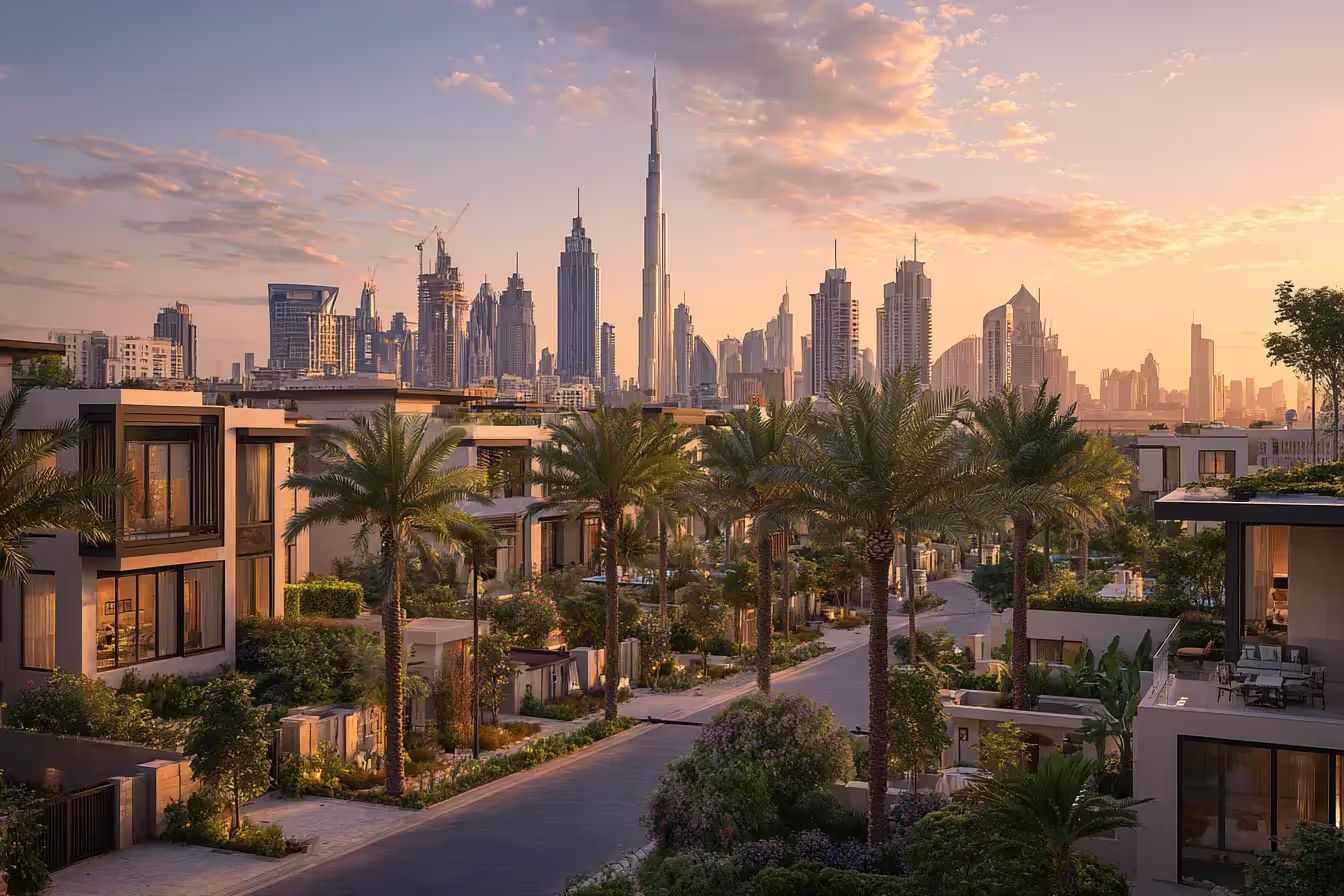
July 3, 2025
Townhouse vs. villa in Dubai: welke droomwoning past bij u als Nederlandse Investeerder?
Dubai offers villas and townhouses with high ROI, tax advantages and stable growth. Discover what best suits your investment goals as a Dutch investor.
Check Details.avif)
July 3, 2025
Investeren in morgen: de revolutie van vastgoed-tokenization in Dubai
Dubai introduces tokenized real estate: participate in high-quality projects from just €500 with full transparency and smart technology.
Check Details.avif)
July 3, 2025
Je vastgoeddroom in Dubai beschermen: alles over woonverzekeringen in de VAE
Luxury villas in the UAE offer unique opportunities for investors targeting growth, yield and prestige in a thriving real estate market.
Check Details
July 3, 2025
Een magische investeringshorizon: Disneyland Abu Dhabi en het vastgoedlandschap in de VAE
Disney's first theme park in the Middle East opens on Yas Island. Discover the impact on real estate, tourism and return on investment in Abu Dhabi.
Check Details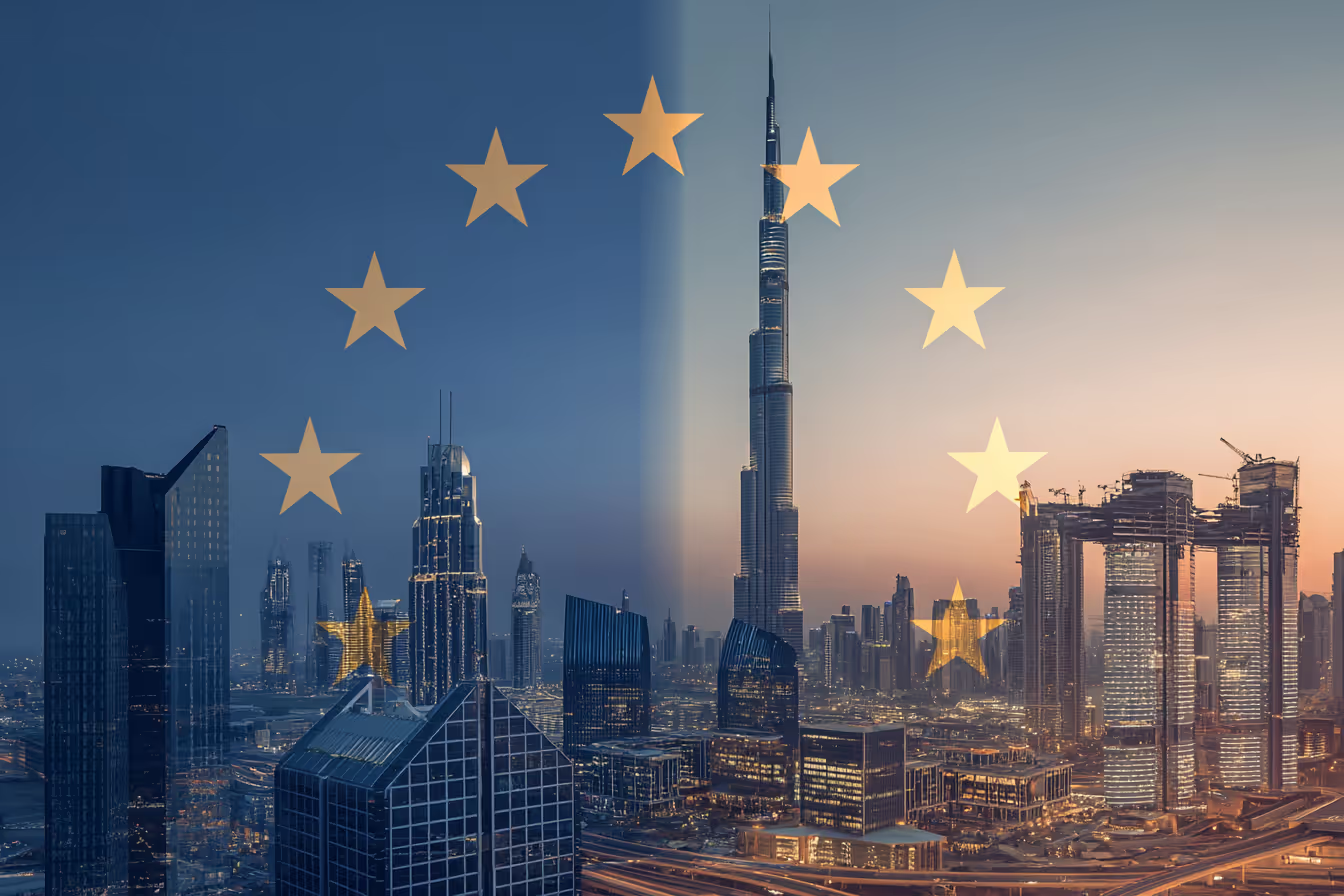
July 3, 2025
Groot Nieuws voor Vastgoedinvesteerders in Dubai: Europese Commissie haalt VAE van AML/CFT-lijst voor hoog risico
The UAE has been removed from the EU's list of AML high-risk countries. This opens the door to faster, safer real estate investments from Europe.
Check Details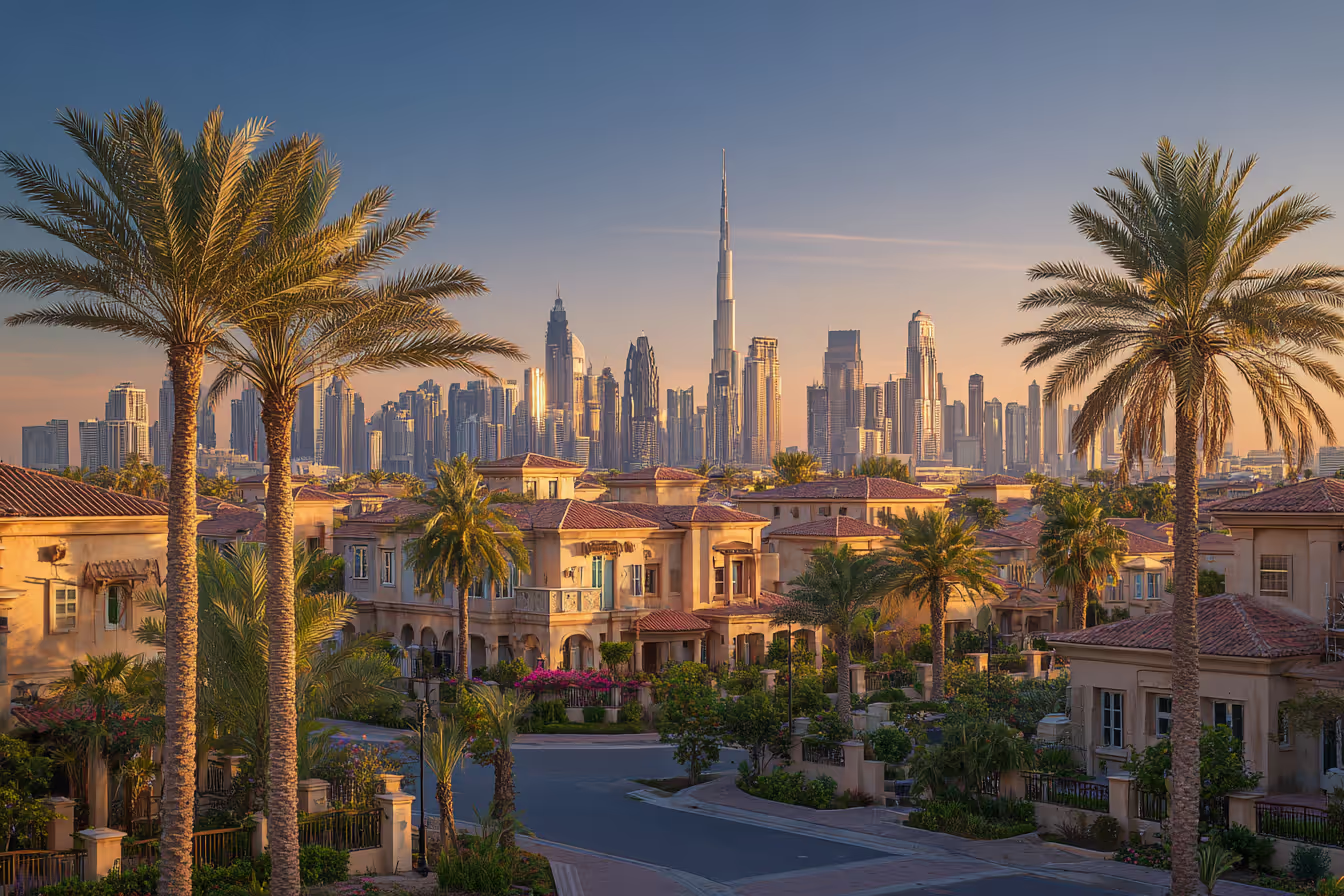
June 28, 2025
Inzage in de vastgoedcijfers in Dubai: mei 2025 in detail
Dubai's real estate market achieved record sales in May 2025. Discover what's driving this growth and why investors worldwide are taking notice.
Check Details
June 17, 2025
Wat houdt form A, B en F in bij een secondary market Transactie in Dubai?
What do Form A, B and F entail when buying or selling property in Dubai? Learn how these official RERA forms ensure transparency and legal protection.
Check Details
June 10, 2025
Ras Al Khaimah: de nieuwe hotspot voor Dubai Vastgoedinvesteerders
Ras Al Khaimah is emerging as the UAE's newest hotspot thanks to the first casino resort, a rapidly growing real estate market and strong infrastructure plans.
Check Details
February 26, 2025
Dubai: verhuizen met je gezin - visumgids 2025 voor Nederlandse burgers
Dubai's modern infrastructure, safety, and tax-friendly environment make it a popular destination for families seeking a high quality of life. If you're a Dutch citizen considering a move to Dubai with your family in 2025, understanding your residence permit options is crucial. This guide outlines the best routes, addresses family-specific concerns, processing times and required documentation, and also includes information on visitor visas for those who want to explore Dubai before making a permanent move.
Check Details
February 26, 2025
De bevolkingsgroei van Dubai: Hoe de groei de woning- en vastgoedmarkt voor expats hervormt
Dubai's rapid population growth has had a significant impact on living conditions and the property market, presenting both opportunities and challenges for prospective residents, including Dutch nationals considering a move.
Check Details
January 18, 2025
Nieuwe ontwikkelingen in de Dubai metro: De Blue Line transformeert mobiliteit en stadsplanning
A groundbreaking 30 km project with 14 stations. Enhanced connectivity, sustainability, and opportunities for real estate investors make this a game changer for Dubai's urban growth.
Check Details
July 9, 2024
Vastgoedbeheer in Nederland vs. Dubai: Waarom Dubai de voorkeur verdient
The new Affordable Rent Act in the Netherlands introduces strict regulations that limit rental prices for middle-income earners. This means landlords must adhere to maximum rental prices based on the Housing Valuation System (WWS). As a result, rental prices for many properties will need to decrease, leading to lower returns for investors.
Check Details
June 24, 2024
De toekomst van Dubai: Een visionaire groei naar 2040
The government's ambitious plans for 2033 and 2040 outline a vision to more than double the city's population to 7.8 million by 2040, compared to the current 3.6 million residents....
Check Details
June 20, 2024
Dubai Metro Blue Line
Dubai continues to develop at a rapid pace, and the latest addition to the city's impressive infrastructure is the Blue Metro Line. This ambitious project is not only aimed at reducing traffic congestion but also at providing a direct connection to Dubai International Airport. Here is everything you need to know about the new Blue Metro Line.
Check Details
June 20, 2024
Investeren in Dubai vs. Spanje
Both locations offer unique advantages, but differ significantly in their investment climate and opportunities.
Check Details
June 20, 2024
Waarom Dubai South perfect is om te investeren
This massive project, spanning 145 square kilometers, is designed to become a hub for logistics, aviation, trade, and residential living. In this blog, we take a deep dive into Dubai South and the brand-new Al Maktoum International Airport, and explore why this area offers such an exciting investment and living opportunity.
Check Details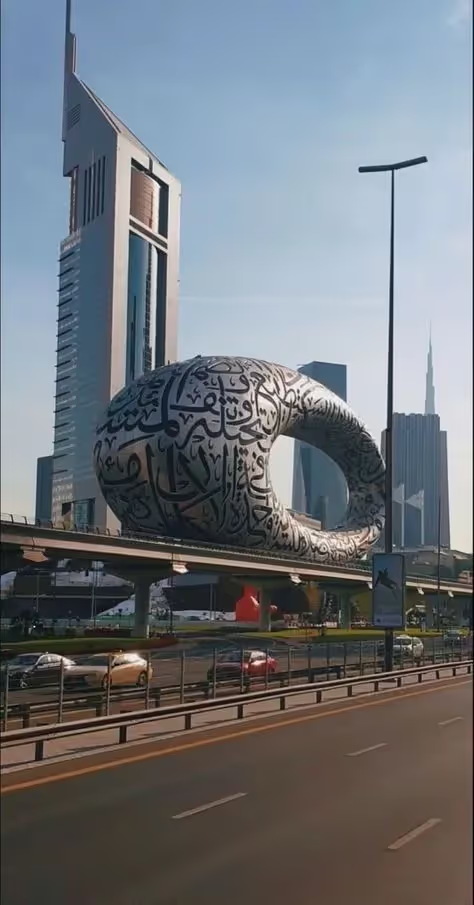
June 20, 2024
Escrow accounts in Dubai
In Dubai's dynamic real estate market, it is essential for both buyers and developers to ensure a safe and transparent way of handling financial transactions. An escrow account provides this protection and plays a crucial role in promoting trust and security in real estate transactions. But what exactly is an escrow account and how does it work in Dubai?
Check Details.svg)
.svg)
Direct een gesprek inplannen?
Wil je spreken met een van onze agents of gelijk een afspraak inplannen om langs te komen op kantoor voor een face to face meeting? Boek hieronder een tijd en datum in en kom langs op gesprek:
.svg)