
.svg)

Ondernemers kopen vastgoed: een solide investeringsstrategie
Ondernemers die onroerend goed kopen: Een solide investeringsstrategie Steeds meer ondernemers ontdekken de kracht van onroerend goed als stabiele…
 8 Minuten Leestijd
 Sandjai
Ondernemers die onroerend goed kopen: Een solide investeringsstrategie
Steeds meer ondernemers ontdekken de kracht van onroerend goed als stabiele en duurzame manier om vermogen op te bouwen. Wanneer ondernemers vastgoed kopen, profiteren zij van waardegroei, passief inkomen en bescherming tegen inflatie. Deze blogpost biedt een diepgaande analyse van de redenen waarom onroerend goed zo aantrekkelijk is voor ondernemers, welke soorten eigendom zij kunnen overwegen, en hoe zij verstandig kunnen kopen. Of je nu een startende ondernemer bent of een ervaren belegger, het begrijpen van onroerend goed kan een essentiële stap zijn naar verdere groei en financiële zekerheid. Het onderwerp past binnen een bredere trend van ondernemers die hun kapitaal willen diversifiëren, met als doel de toekomst van hun bedrijf en familievermogen veilig te stellen. In deze blog vind je praktische tips, een duidelijk stap-voor-stapplan en inspirerende succesverhalen. Lees verder om te ontdekken hoe onroerend goed je kan helpen een solide basis voor de toekomst op te bouwen.
Belangrijkste inzichten
- Waarderetentie: onroerend goed staat bekend om zijn stabiliteit en potentieel voor langetermijngroei.
- Passief inkomen: door huurinkomsten kunnen ondernemers consistente cashflow genereren.
- Belastingvoordelen: in veel regio's zijn er aftrekposten en gunstige regelgeving voor eigenaren van vastgoed.
- Inflatiebesherming: onroerend goed behoudt doorgaans zijn waarde of neemt in waarde toe, ook tijdens inflatie.
- Strategische diversificatie: een vastgoedportefeuille kan een solide aanvulling zijn op andere investeringen.
Inhoudsopgave
- Inleiding
- Waarom ondernemers in onroerend goed beleggen
- Welke soorten onroerend goed ondernemers kopen
- Hoe ondernemers onroerend goed kopen: stap-voor-stapplan
- Tips voor ondernemers die onroerend goed willen kopen
- Succesverhalen van ondernemers die onroerend goed kopen
- Conclusie
- Veelgestelde vragen
Inleiding
De moderne ondernemer richt zich steeds vaker op onroerend goed, omdat het een aantoonbaar solide beleggingsoptie is. Wanneer je trends op verschillende markten bekijkt, behoudt onroerend goed doorgaans zijn waarde en stijgt deze zelfs op lange termijn. Deze waarderetentie biedt geruststelling en zekerheid, wat voor veel startups en groeiende bedrijven vergelijkbaar is met een stabiele anker. Volgens schattingen van toonaangevende onderzoeksbureaus, zoals Deloitte (https://www.deloitte.com/middle-east/en/Industries/real-estate/perspectives/dubai-real-estate-predictions-2025.html), wordt verwacht dat de vastgoedmarkt in bepaalde regio's de komende jaren sterk zal groeien. Dit maakt het kopen van vastgoed een interessante stap voor veel ondernemers die hun kapitaal op relatief veilige wijze willen inzetten.
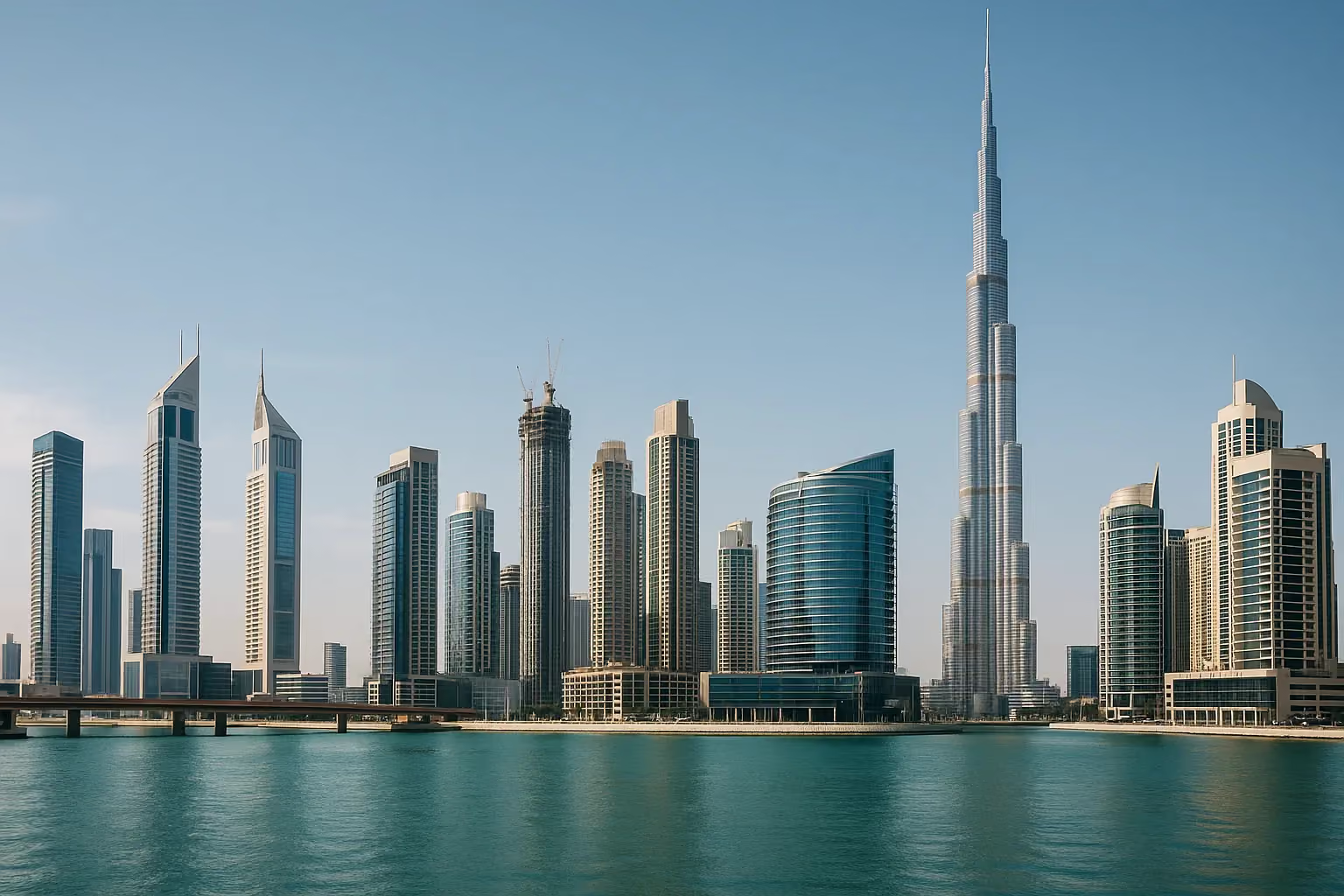
Bovendien worden ondernemers aangetrokken tot locaties en landen waar de vastgoedmarkt sterke groei vertoont. Dubai is hiervan een priemvoorbeeld, mede dankzij ambitieuze plannen zoals het Dubai 2040 Masterplan (https://www.dubai-property.nl/blog/de-toekomst-van-dubai-een-visionaire-groei-naar-2040). Dit creëert vraag naar residentiële eigendommen, retailruimtes en kantoren, wat resulteert in kansen voor beleggers die op het juiste moment stappen. Deze dynamiek biedt een springplank voor groeiende bedrijven die internationaal willen uitbreiden en tegelijkertijd hun winstgevendheid willen versterken.
In deze blogpost verkennen we de belangrijkste redenen voor ondernemers om onroerend goed te kopen. We gaan dieper in op de soorten eigendom die zij doorgaans prefereren, het stap-voor-stapplan voor een succesvolle aankoop, en de valkuilen die het best vermeden kunnen worden. We delen ook succesverhalen van ondernemers die hun bedrijfsdoelen hebben bereikt via onroerend goed. Laat jezelf inspireren door deze informatie en ontdek hoe onroerend goed jouw plannen kan ondersteunen, zowel op korte als lange termijn. Of je nu een kleine zelfstandige professional bent of een ervaren serieondernemer, onroerend goed kan je financiële basis versterken.
Waarom ondernemers in onroerend goed beleggen
Een van de meest opvallende redenen dat ondernemers onroerend goed kopen, is de voorspelbare waardegroei op lange termijn. Dit is vooral aantrekkelijk voor degenen die willen dat hun geld sterke rendementen oplevert in een wereld die soms onzeker kan voelen. Wanneer je onderzoekt hoe onroerend goed heeft gepresteerd in talrijke regio's, valt de gestage groei op. Ook tijdens perioden van inflatie fungeert onroerend goed vaak als solide buffer, omdat vastgoedprijzen in veel gevallen sneller stijgen dan de veranderde waarde van geld (zie bijvoorbeeld https://www.globalpropertyguide.com/middle-east/united-arab-emirates/price-history).
Daarnaast waarderen ondernemers passief inkomen. Wanneer je een eigendom bezit en deze verhuurt, genereert je regelmatig huurinkomsten. Deze cashflow kan vervolgens worden herinvesteerd in andere bedrijfsactiviteiten of gebruikt om de groei en stabiliteit van zowel bedrijf als familie te waarborgen. Bovendien biedt het tijdens economische tegenwind een aanvullende inkomstensstroom die helpt financiële tegenslagen op te vangen. Voor veel ondernemers is deze combinatie van geleidelijke waardegroei en een voortdurende inkomstenbron een onweerstaanbaar mengsel.
Er zijn ook aantrekkelijke belastingvoordelen te overwegen. In verschillende landen kun je kosten zoals rente en onderhoud van je belastingen aftrekken, wat je netto-opbrengsten verhoogt. In sommige gevallen zijn er ook mogelijkheden om te profiteren van speciale regelingen voor ondernemers, of van gunstige afschrijving bij belegging in een bepaalde sector. Deze voordelen, gecombineerd met stabiele rendementen, zijn een belangrijk drijfveer voor het opnemen van onroerend goed in je portefeuille. Bijvoorbeeld, de blog over belastingaspecten van vastgoed in Dubai (https://www.dubai-property.nl/blog/vastgoedbeheer-in-nederland-vs-dubai-waarom-dubai-de-voorkeur-verdient) onderzoekt hoe gunstige wetgeving beleggingskansen voor ondernemers met internationale ambities kan verbeteren.
Ten slotte speelt de inherente vraag naar onroerend goed ook een rol. Mensen hebben altijd behoefte aan woonruimte en werkplekken, wat betekent dat de markt zelden volledig instort. Dit geeft ondernemers een zekere geruststelling, vooral wanneer zij gewend zijn dat de aantallen en prestaties van hun kernbedrijf soms aanzienlijk fluctueren. Onroerend goed creëert dus extra stabiliteit in hun algehele vermogensopbouw.
Welke soorten onroerend goed ondernemers kopen
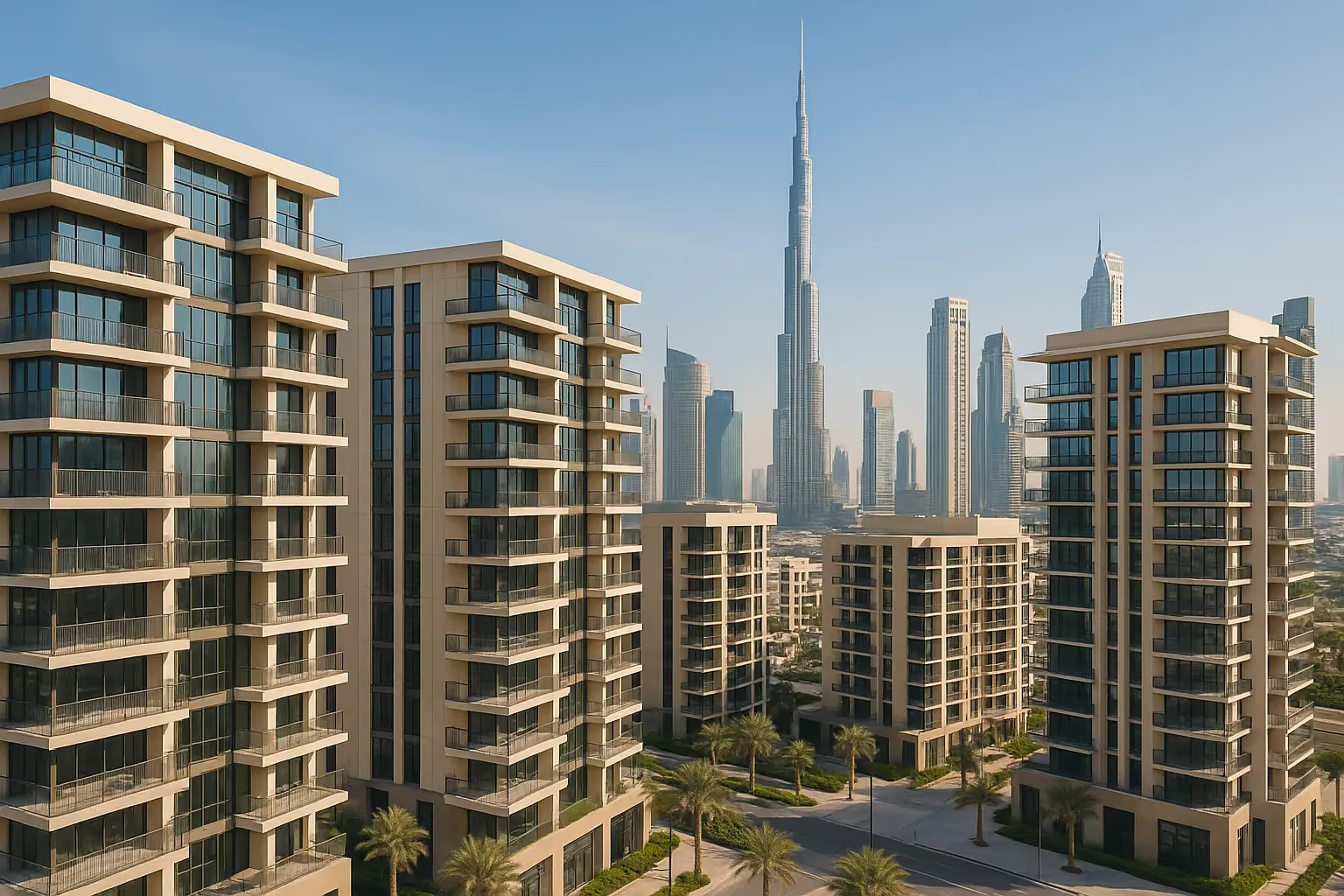
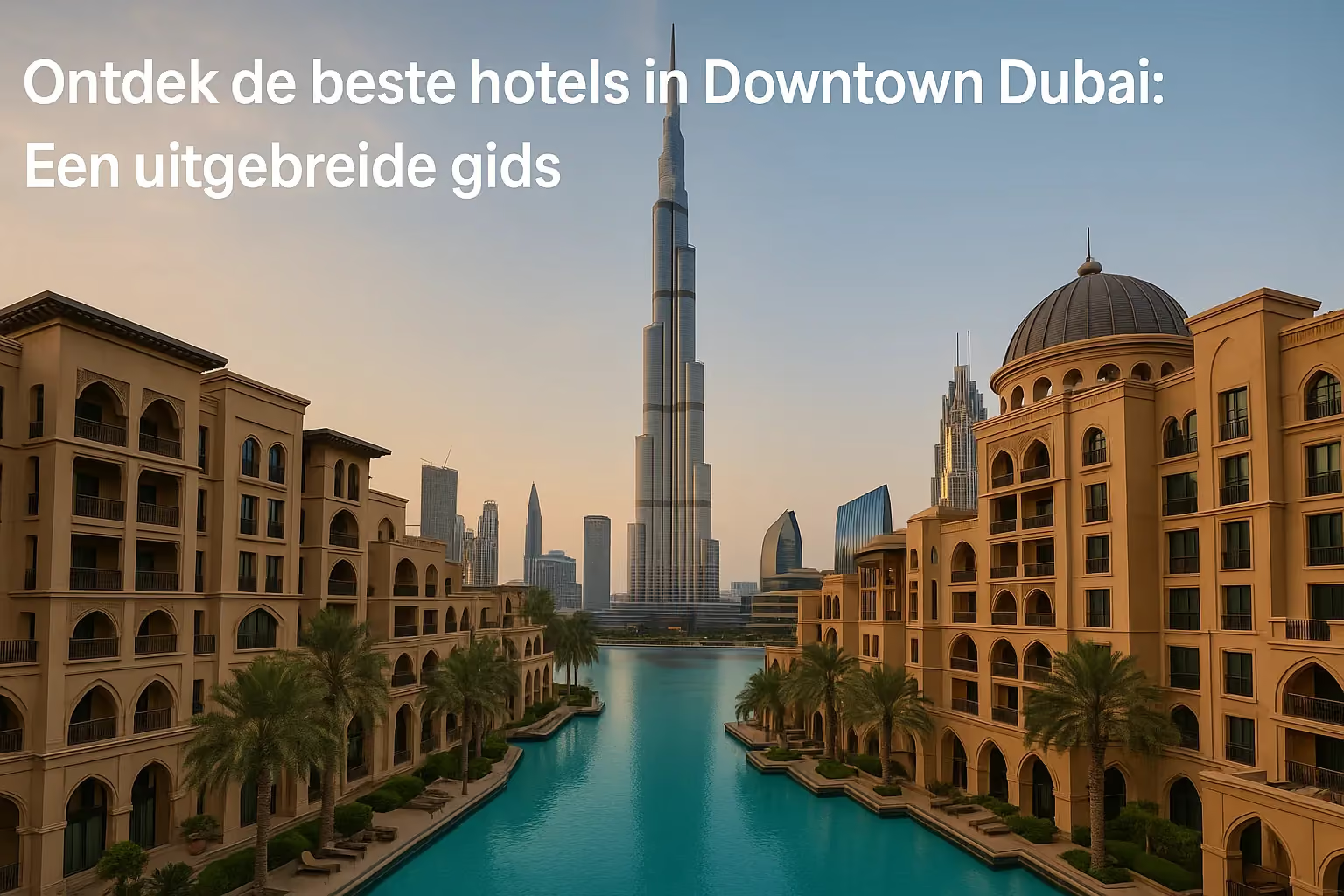
Ondernemers kunnen kiezen uit verschillende soorten onroerend goed, afhankelijk van hun doelen, liquiditeit en risicotolerantie. Een veelgebruikt type is residentieel vastgoed, zoals appartementen en eengezinswoningen. Deze vorm van onroerend goed biedt doorgaans consistente vraag van huurders, wat het risico van leegstand beperkt. De blogpost over huurappartementen in aantrekkelijke gebieden (https://www.dubai-property.nl/blog/appartement-huren-downtown-dubai1) biedt bijvoorbeeld inzicht in de populariteit van Downtown Dubai onder families en expatriaten. Het is een gebied met infrastructuur en voorzieningen die aantrekkelijk zijn voor veel huurders, wat de kans op stabiel inkomen verhoogt.
Een ander populair segment is commercieel vastgoed. Denk aan kantoorruimtes, retailpanden en magazijnen. In veel gevallen gaan huurders in dergelijke panden zich verbinden aan langetermijnovereenkomsten, waardoor je als eigenaar kan rekenen op redelijk stabiel huurinkomen. Ondernemers moeten echter ook bewust zijn van het risico dat economische omstandigheden opleveren, die de vraag naar commerciële ruimtes kunnen beïnvloeden. Desondanks kan commercieel vastgoed hoge rendementen opleveren, vooral wanneer je in opkomende wijken of sectoren met sterke vraaggroei investeert.
Bepaalde ondernemers kijken voorbij de standaardopties en zoeken niche-markten. Er zijn bijvoorbeeld eigendommen die renovatie nodig hebben maar aanzienlijk in waarde kunnen stijgen na grondige renovatie. Co-working spaces en kortverblijfappartementen zijn ook populaire segmenten, vooral in steden die veel internationale bezoekers en digitale nomaden aantrekken. De blog over betaalbare woningen (https://www.dubai-property.nl/blog/goedkope-woningen-dubai1) toont ook aan dat zelfs in een dure stad als Dubai betaalbare kansen kunnen zijn. Slimme aankoop en strategische besluitvorming zijn daarom cruciaal.
Hoe ondernemers onroerend goed kopen: stap-voor-stapplan
De werkelijke aankoop van onroerend goed door ondernemers volgt doorgaans een aantal duidelijk gedefinieerde stappen. Hieronder vind je een beknopt maar waardevol stap-voor-stapplan:
- Definieer je beleggingsdoelen: bepaal of je streeft naar langetermijnwaardegroei, passief inkomen, of snelle property flipping. Een duidelijk doel helpt je de juiste onroerend goed categorie en locatie te selecteren. Als je gelooft in de groei van een stad als Dubai, kan het nuttig zijn het toekomstplan te verkennen (https://www.dubai-property.nl/blog/de-toekomst-van-dubai-een-visionaire-groei-naar-2040).
- Regel je financiering: bekijk zorgvuldig de opties voor hypotheken, bedrijfsleningen en potentiële investeerders binnen je netwerk. Een duidelijke financiële structuur zorgt ervoor dat je snel kan handelen wanneer een aantrekkelijk eigendom beschikbaar komt.
- Voer een marktanalyse uit: bestudeer lokale prijsontwikkelingen, vraag- en aanbod dynamica, en demografische trends. De blog over bevolkingsgroei in Dubai (https://www.dubai-property.nl/blog/de-bevolkingsgroei-van-dubai-hoe-de-groei-de-woning--en-vastgoedmarkt-voor-expats-hervormt) biedt bijvoorbeeld inzicht in hoe de toenemende bevolking en vraag naar huisvesting tot aantrekkelijke beleggingskansen leidt.
- Controleer juridische en belastingaspecten: zorg dat je begrijpt hoe eigendom van vastgoed werkt en welke belastingen of heffingen je kunt verwachten. Houd ook rekening met het feit dat je strategisch gebruik kunt maken van aftrekposten, zoals rente- of onderhoudskosten.
- Onderhandel en finaliseer de aankoop: zodra je een geschikt pand hebt gevonden, is het essentieel om de prijs scherp onderhandeld en zorgvuldig structurele en juridische details door te nemen. Dit voorkomt onaangename verrassingen die je rendement zouden kunnen ondermijnen.
Dit stap-voor-stap plan is geen garantie voor succes, maar eerder een framework voor het op welinformeerde wijze handelen. Dankzij deze gestructureerde aanpak vermijdt je impulsieve beslissingen en vergroot je de kansen op een succesvolle investering. Onthoud dat timing en marktkennis een belangrijke rol spelen. Blijf op de hoogte van ontwikkelingen en neem goed doordachte beslissingen.
Vrijblijvend advies?
Tips voor ondernemers die vastgoed willen kopen
Er zijn verschillende praktische overwegingen die elke ondernemer in gedachten moet houden bij het betreden van de vastgoedmarkt. Ten eerste is het inschakelen van experts vaak een verstandige zet. Denk aan een makelaar die de lokale markt kent, of een financieel adviseur die je kan laten zien welke financieringsopties het meest geschikt zijn. Belastingspecialisten kunnen er ook voor zorgen dat je optimaal gebruikmaakt van belastingvoordelen in je regio of daarbuiten. Nauwkeurige begeleiding scheelt je veel kopzorgen later.
Ten tweede is het verstandig in te zien dat vastgoed een langetermijninvestering is. Natuurlijk zijn er voorbeelden van investeerders die snel winst maken via een 'flip-strategie', maar voor de meeste ondernemers zijn stabiliteit en gestage groei belangrijker. Het risico van leegstand of teleurstellende huurprijzen kan gedeeltelijk worden beperkt door grondige marktonderzoeken en door vastgoed te kiezen in aantrekkelijke, gewilde locaties. De blog over vastgoedbeheer in Nederland versus Dubai (https://www.dubai-property.nl/blog/vastgoedbeheer-in-nederland-vs-dubai-waarom-dubai-de-voorkeur-verdient) geeft voorbeelden van hoe effectief beheer risico's helpt beheersen en de waarde van je vastgoed behoudt.
Een derde tip is om het belang van onderhoud en renovatie nooit te onderschatten. In een gloednieuwe stad als Dubai is onderhoud vaak minimaal, maar bij oudere panden in andere steden moet je rekening houden met structureel onderhoud. Budget voor deze kosten en verwerk ze in je rendementscalculaties zodat je niet verrast wordt door onvoorziene uitgaven. Ondernemers die vastgoed kopen ondervinden vaak dat de kwaliteit van hun vastgoedbeheer net zo belangrijk is als de keuze van het pand zelf. Degenen die hun vastgoedobligaties serieus nemen, profiteren in de loop van de tijd van tevreden huurders, lagere leegstandspercentages en een pand dat geleidelijk in waarde stijgt.
Een vierde overweging is diversificatie. Hoewel vastgoed een belangrijk onderdeel van je totale portefeuille kan zijn, is het niet altijd raadzaam al je middelen in één pand of markt te investeren. Meerdere panden in verschillende sectoren en geografische gebieden kunnen je algehele risicoprofiel verlagen. Beschouw ook opkomende vastgoedtypes, zoals logistieke centra, opslagfaciliteiten of zelfs vakantiepark. Op deze manier maak je optimaal gebruik van kansen zonder afhankelijk te zijn van één marktsegment.
Succesverhalen van ondernemers die vastgoed kopen
Er zijn talloze verhalen van ondernemers die hun financiële positie hebben versterkt door strategisch vastgoedbezit. In bepaalde regio's, zoals Dubai, hebben ambitieuze kapitaalinvesteringen geleid tot indrukwekkende groeicijfers voor de vastgoedsektor. Volgens rapporten gepubliceerd door Khaleej Times, onder andere (https://www.khaleejtimes.com/business/property/dubai-real-estate-market-value-jumps-49-yoy-driven-by-a-105-surge-in-primary-sales), vertoont de markt groeiimpulsen waarvan investeerders graag willen profiteren. Denk aan unieke vastgoedontwikkelingen gericht op luxe woningen, maar ook meer toegankelijke segmenten voor eerstkoperskopers en middeninkomstgroepen.
Een concreet voorbeeld: een ondernemer die vroeg inspeelde op de behoefte aan betaalbare appartementen in een opkomende wijk kon snel voordeel doen van waardevermeerdering naarmate de infrastructuur in dat gebied verbeterde. Een ander voorbeeld: sommigen kochten kantoorgebouwen in steden die internationale expansie ondergingen en aantrekkelijk waren voor een continue stroom huurders uit de tech- en financiële sectoren. Met huurinkomsten en waardestijging van vastgoed herinvesteerden zij in nieuwe ondernemingen of verder uitbreiding van hun vastgoedportefeuille. Dit creëert een groeispiraal waarbij alle aspecten van ondernemerschap worden gevoed door de inkomsten en veiligheid die vastgoed kan bieden. Degenen die kijken naar Dubai zien ook dat ondernemers in deze regio vaak meerdere vormen van investering combineren, waardoor zij bestand zijn tegen economische fluctuaties en profiteren van het bloeiende bedrijfsklimaat.
Deze succesverhalen tonen aan dat timing en marktkennis cruciaal zijn. Het gaat niet simpelweg om het beschikken over kapitaal, maar ook om op het juiste moment toe te slaan en de juiste keuzes te maken. De blog over vastgoedbelegging in Dubai in 2025 (https://www.dubai-property.nl/blog/vastgoed-investeren-dubai-20251) illustreert hoe je kunt profiteren van de dynamiek in de regio door op het juiste moment de juiste gebieden te selecteren. Ondernemers die goed geïnformeerd blijven en met experts samenwerken, kunnen vaak kansen ontdekken die anderen voorbijgaan. Het fundament blijft weten wat je doelen zijn, hoeveel risico je bereid bent te nemen en hoe lang je je kapitaal wilt binden. Met een rationele, welinformeerde aanpak zijn de vooruitzichten op een succesvol resultaat aanzienlijk.
Conclusie
Vastgoed kopen is een steeds logischer stap in de investeringsstrategie van meer en meer ondernemers. Het is een vorm van belegging die niet alleen potentieel biedt voor vermogengroei, maar ook stabiel, passief inkomsten kan genereren. Waar andere investeringen soms aanzienlijk kunnen fluctueren, biedt vastgoed een relatief voorspelbare rendementskans. In tijden van economische onzekerheid en inflatie is dit een geruststellende en solide keuze voor ondernemers. Tel daar nog de belastingvoordelen bij die in veel regio's beschikbaar zijn, en je komt uit bij een investeringsmogelijkheid die zeker overwegen waard is.
Of je net begint als ondernemer en een veilige basis zoekt, of je zit al enige tijd in het bedrijf en wilt je vermogen verder uitbreiden: vastgoed kan een cruciale rol spelen in je kapitaalstrategie. Maak gebruik van je netwerk, schakel specialisten in en kies locaties en segmenten die aansluiten bij je doelen. Op deze manier kun je optimaal gebruikmaken van de verschillende voordelen van vastgoed: waardebehoud, passief inkomsten, inflatiebescherming en stabiele rendementen.
Met de interne links en informatie hieronder kunnen lezers relevante onderwerpen verder verkennen en hun kennis over nationaal en internationaal vastgoed uitbreiden. Hoewel niet onderdeel van de officiële inhoudsopgave, bieden zij context en diepte voor diegenen die meer willen leren over specifieke aspecten van de vastgoedmarkt.
Veelgestelde vragen
Waarom is vastgoed zo populair onder ondernemers?
Vastgoed biedt ondernemers een combinatie van vermogengroei en passief inkomsten. Daarnaast dient het vaak als veilige haven tijdens economische fluctuaties, vooral omdat de vraag naar residentiële en commerciële ruimte vrijwel altijd aanwezig blijft. Ondernemers waarderen ook de belastingvoordelen en de mogelijkheid om hun belegging beter in te plannen en te beheren in vergelijking met bijvoorbeeld aandelen.
Is commercieel vastgoed riskanter dan residentieel vastgoed?
Commercieel vastgoed kan hogere rendementen bieden maar kan ook kwetsbaarder zijn voor economische fluctuaties. Wanneer de economie afneemt, kunnen bedrijven kosten snijden door hun commerciële huurcontracten beëindigen. Aan de andere kant tekenen commerciële huurders vaak langetermijncontracten, wat stabiliteit kan bieden. Het is daarom belangrijk om de markt grondig te onderzoeken en de locatie van je commerciële pand zorgvuldig te kiezen.
Hoe zit het met vastgoedonderhoud?
Goed onderhoud is essentieel voor een gezond rendement, of het nu gaat om residentieel of commercieel vastgoed. Bij uitgesteld onderhoud loopt je het risico van ontevreden huurders en hogere kosten als je uiteindelijk moet renoveren. Door onderhoud goed in te plannen en regelmatig uit te voeren, behoudt je pand zijn waarde langer en zijn de kansen op positieve cashflow groter.
Kan ik als beginnende ondernemer in vastgoed investeren?
Ja, op voorwaarde dat je voldoende financiering kunt regelen en een realistisch plan hebt. Je kunt beginnen met een kleiner pand of een appartement en vervolgens je portefeuille uitbreiden naarmate je meer ervaring opdoet. Het is belangrijk dat je adequate reserves hebt en deskundig advies inwinnt, zodat je weet waar je aan begint en een solide basis legt voor verdere groei.
Wat zijn de voordelen van vastgoed in het buitenland?
Investeringen in vastgoed in het buitenland kunnen bijzonder aantrekkelijke voordelen bieden, zoals gunstige belastingregelingen of sterke waardering in snel groeiende regio's. Dubai is daar een primair voorbeeld van, met ambitieuze stedenbouwkundige plannen, een internationaal bedrijfsklimaat en stabiele vraag naar zowel residentiële als commerciële ruimte. Je moet echter goed op de hoogte zijn van lokale wetten en regelgeving en moet mogelijk met lokale professionals werken.
Meer weten over investeren in V.A.E. vastgoed?
Wil je dit onderwerp toepassen op jouw situatie? Download de gratis Dubai vastgoed gids, bekijk het actuele Dubai vastgoed aanbod of plan een gratis gesprek met Dubai-Property.nl.

Get to know more about us.










































.png)
.png)
















.avif)
.avif)





.svg)
.svg)
Direct een gesprek inplannen?
.svg)